



Table of Contents
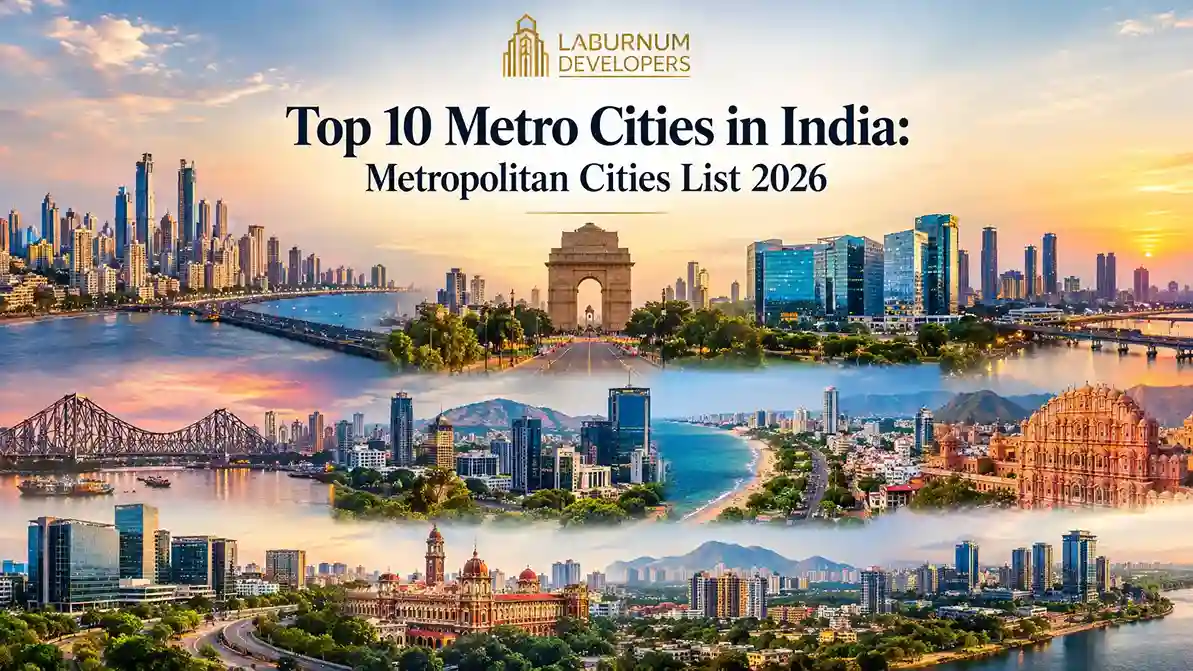
Metro Cities in India are the largest urban centers for business, jobs, transport, education technology, healthcare, and lifestyle. Cities like Mumbai, Delhi, Bengaluru, Hyderabad, and Chennai attract people from across India because they offer large job markets, robust infrastructure, and easier access to the latest services.
What makes a city a metropolis?
Which are the Top 10 Metro Cities in India?
What makes Metropolitan Cities in India different from other cities?
This guide will answer these questions in a simple manner. It also provides the most important characteristics, economic significance, connectivity, and the way of life in the most renowned metropolitan centers.
Quick response: The most prominent cities in India typically comprise Mumbai, Delhi, Bengaluru, Hyderabad, Chennai, Kolkata, Pune, Ahmedabad, Jaipur and Surat. This is a list of practical cities based on population density and economic significance as well as the connectivity of these cities and their influence on national politics. This is not an official government ranking.
What Are Metro Cities in India?
Metro Cities in India are huge and well-developed urban centers that function as major transport, economic, employment, cultural, educational, and academic hubs.
The term “metro” is often used in daily conversation about India’s largest cities.
However, there’s an important distinction between the typical usage of “metro city” and the Constitution’s definition of “metropolitan area.”
According to Article 243P in the Constitution of India, a metropolitan area is defined as an area that has an estimated number in the range of 10, 000 or greater that covers several districts, and comprises two or more panchayats, municipalities, and other areas contiguous to each other as per the Constitution’s definition.
A metropolis isn’t just one that has a metro train.
For instance, the city could be a metro rail station but not be what they typically refer to when they say “India’s major metro cities.”
This distinction is vital in the study of Metropolitan Cities in India.
What Are the Top 10 Metro Cities in India?
There isn’t any government table that lists precisely ten cities in”the Top 10 Metro Cities in India.”
Different websites employ different standards.
Some cities are ranked according to their populations. Others look at the impact of infrastructure, GDP, employment, connectivity, real estate development, or the overall influence of urbanization.
To provide this guideline, the following cities are chosen based on their national significance and the size of their metropolitan areas:
| Rank | Metro City | State/UT | Known For |
|---|---|---|---|
| 1 | Mumbai | Maharashtra | Entertainment, finance, business |
| 2 | Delhi | Delhi | Services, government, business |
| 3 | Bengaluru | Karnataka | IT, startups, technology, |
| 4 | Hyderabad | Telangana | IT Pharmaceuticals, IT |
| 5 | Chennai | Tamil Nadu | Manufacturing, automotive, IT |
| 6 | Kolkata | West Bengal | Education, commerce, culture |
| 7 | Pune | Maharashtra | IT, education, automobiles |
| 8 | Ahmedabad | Gujarat | Manufacturing, finance, and business |
| 9 | Jaipur | Rajasthan | Heritage, tourism, services, |
| 10 | Surat | Gujarat | Manufacturing, diamonds, textiles |
This order should be interpreted in the sense of an informational classification and not a formal government classification.
The historical census-based data on metropolitan areas also puts Mumbai, Delhi, Kolkata, Chennai, Bengaluru, Hyderabad, Ahmedabad, Pune, and Surat among India’s biggest urban clusters.
1. Mumbai – India’s Financial and Entertainment Capital
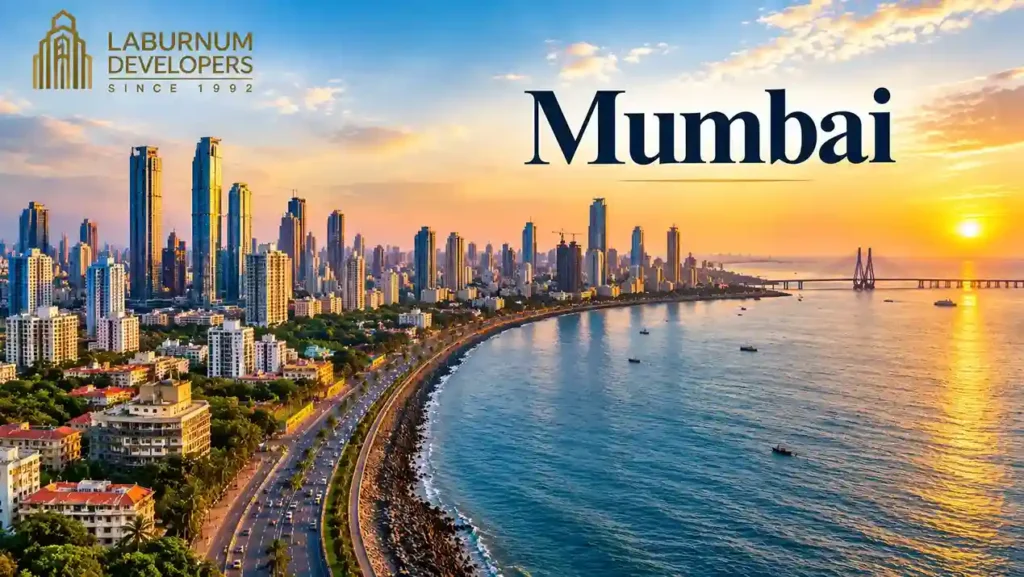
Mumbai is among the most significant Metro Cities in India.
It is situated in situated on the Arabian Sea, Mumbai is the center of financial activity in India and is a key location for finance, business, professional services, and entertainment.
The city is the location of several large banks, corporate headquarters, stock market activities, and film production. Hindi movie industry.
Mumbai’s economic power extends beyond the municipal boundaries.
The greater metropolitan region includes the residential areas, business districts, industrial zones, and satellite cities.
Why Is Mumbai a Major Metro City in India?
Mumbai has many of the features of a global metro center:
- Financial institutions with major financial strength
- Large presence of large corporations
- International airport
- Extensive suburban rail network
- Mumbai Metro
- Major port infrastructure
- Strong entertainment industry
- Large employment market
- Different residential markets for residence
The city is also a thriving real estate market.
The high demand for housing is a result of the need for housing, land shortages, and constant movement of residents to the metropolitan area.
Mumbai is, therefore, among the most renowned Metropolitan Cities in India.
Related More … Top 10 Cleanest Cities in India 2026
2. Delhi – India’s Political and Administrative Hub
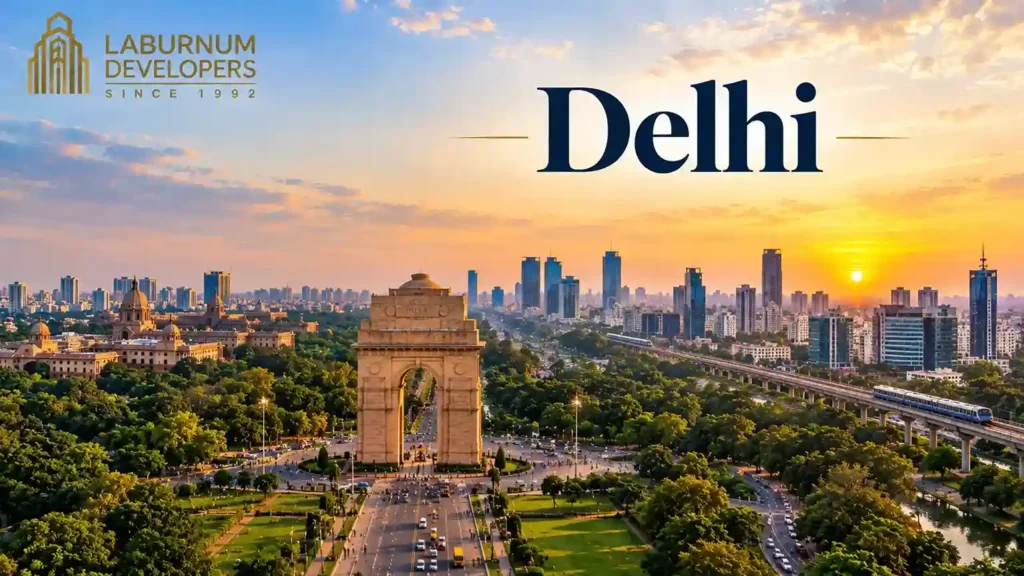
Delhi is another renowned name in the list of Metro Cities in India.
As India’s national capital, Delhi has a unique position.
It is at the heart of the country’s politics and administrative activities.
Parliament, government agencies, diplomats, major government institutions, and national organizations are situated within and around the capital.
Delhi is also known as a key center for education, healthcare, retail, media, as well as professional and technological services.
Why Is Delhi Important Among Metropolitan Cities in India?
The significance of Delhi extends far beyond the borders that comprise Delhi. National Capital Territory.
The bigger Delhi NCR connects Delhi with cities and urban regions of Haryana, Uttar Pradesh, and Rajasthan.
Gurugram, Noida, Ghaziabad, and Faridabad are vital components of the overall economic system.
This is what makes Delhi among the best examples of how a Metro City in India can affect the regional economy.
Delhi is home to one of India’s most well-known public transportation systems, which includes the Delhi Metro.
Get More Information – Best Ready to Move Projects in Gurgaon 2026: OC-Certified RTM Floors
3. Bengaluru – India’s Technology Capital
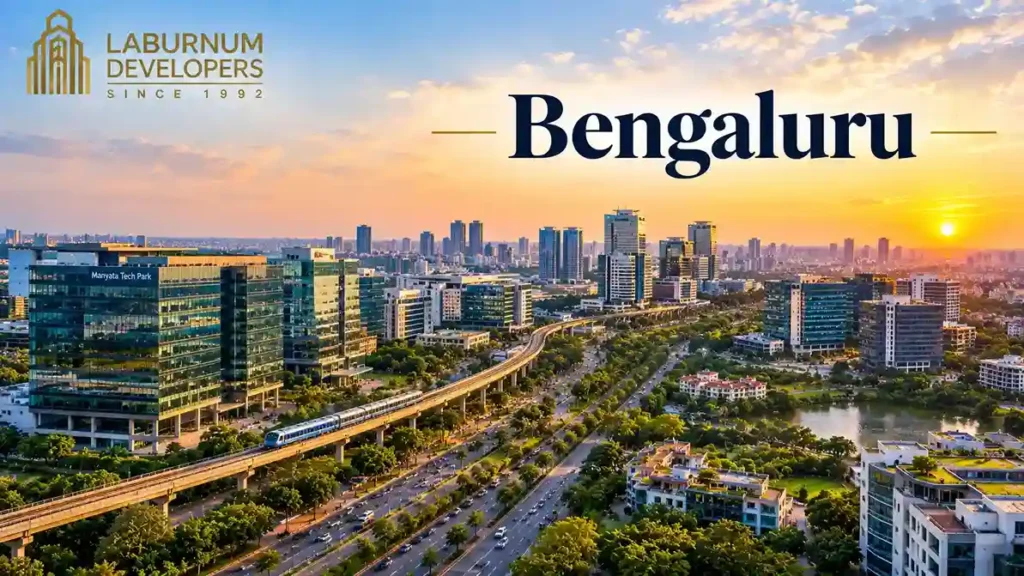
Bengaluru is among the fastest-growing tech-focused Metro Cities in India.
Sometimes referred to as often referred to as India’s Silicon Valley, Bengaluru has grown into a major hub for software, information technology startups, research, and development.
The city draws tech-savvy professionals from all over India.
It also houses an extensive startup community.
Why Is Bengaluru a Leading Metro City in India?
Bengaluru’s major strengths include:
- IT companies
- Startup ecosystem
- Research institutions
- Technology parks
- Engineering talent
- Industries of defence and aerospace
- Global companies
- A strong education network
The city’s tech-driven economy has had an impact on its residential and commercial growth.
New business districts that are new have aided expansion in the adjacent regions.
Bengaluru thus represents the technologically driven aspect of Metropolitan Cities in India.
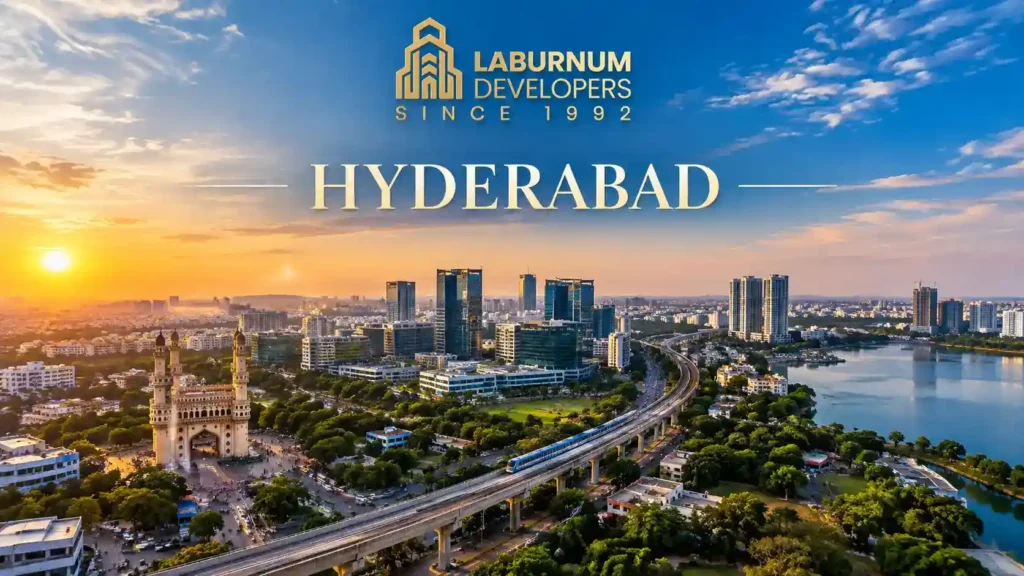
4. Hyderabad – Technology, Pharma and Business Hub
Hyderabad is now one of the top Metro Cities in India in recent years.
The city is home to a robust technological sector along with biotechnology, pharmaceuticals, manufacturing, and business services.
HITEC City and the Western Hyderabad business corridor have grown into important employment locations.
Why Is Hyderabad One of India’s Major Metro Cities?
Hyderabad provides a variety of:
- IT employment
- Industries of pharmaceuticals
- Biotechnology
- Business services
- Connectivity to the airport
- Metro rail
- Institutions of education
- Healthcare facilities
- Residential development continues to grow
This city is also famous for its historic landmarks and unique food culture.
The combination of the traditional culture and modern business infrastructure makes Hyderabad an exceptional Metro City in India.
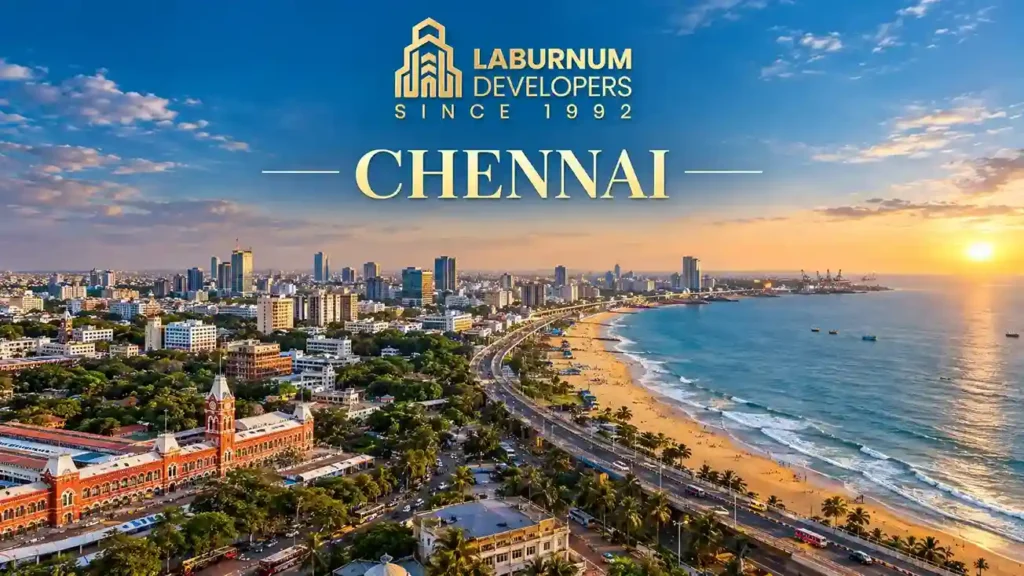
5. Chennai – Automobile, IT and Manufacturing Centre
Chennai is among the oldest Metropolitan Cities in India.
It is situated on the coast of the southeastern region. Chennai is an important city for manufacturing as well as health care, information technology, trade, and education.
The city has a long and rich industrial background.
It also serves as a key access point for South India’s commercial activities.
What Makes Chennai a Major Metro City?
Chennai is a great place to be.
- Automobile manufacturing
- IT companies
- Industrial corridors
- Port infrastructure
- International airport
- Metro rail
- Healthcare institutions
- Higher education
- Industries that manufacture
The city has a distinct cultural identity.
Its mix of industrial strength and a well-established urban infrastructure has kept Chennai as one of the top cities.
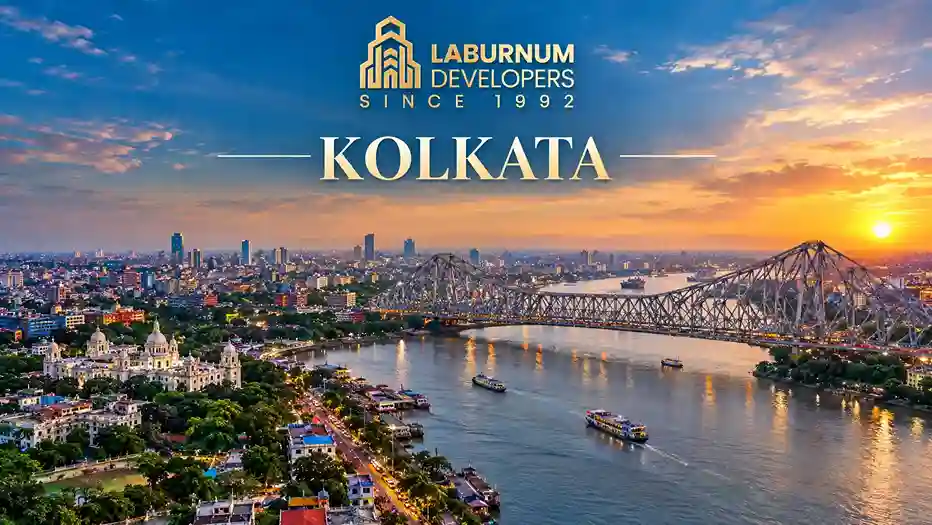
6. Kolkata – Cultural and Commercial Centre of Eastern India
Kolkata is among India’s oldest and most important Metro Cities in India.
It has been historically an important center for administration, trade, as well as education, literature, and culture.
Kolkata continues to play a significant economic role in the eastern Indian economy.
Why Is Kolkata Important Among Metropolitan Cities in India?
The city is famous for:
- Historic architecture
- Education
- Literature and culture
- Financial services
- Manufacturing
- Trade
- Healthcare
- Connectivity to transport
Kolkata Metro also has a significant place in Indian transportation history since Kolkata was the site of India’s first metro railway.
The influence of the city’s culture extends far beyond West Bengal.
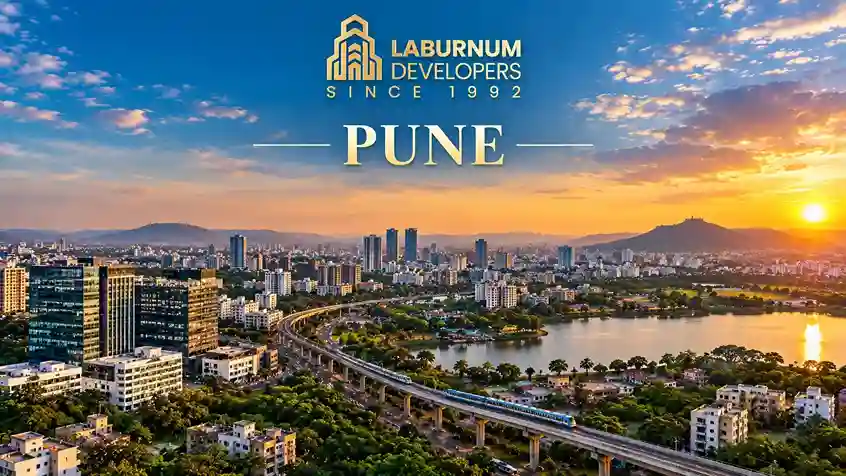
7. Pune – Education, IT and Automobile Hub
Pune has seen a dramatic transformation from a city that was primarily focused on education to an important technology and business center.
It is one of the most important Metro Cities in India, specifically for automobiles, IT manufacturing, and education.
This city’s location near Mumbai adds to its importance in the economy.
Why Is Pune a Popular Metro City in India?
Pune offers a number of major advantages:
- Large student population
- IT parks
- Companies that manufacture automobiles
- Manufacturing
- Universities
- A growing startup ecosystem
- Expanding metro connectivity
- Strong residential development
Pune is especially attractive for professionals looking to gain access to jobs in metropolitan areas and a lifestyle that is different from Mumbai.
Its mix of work and education makes it one of India’s top Metropolitan Cities in India.
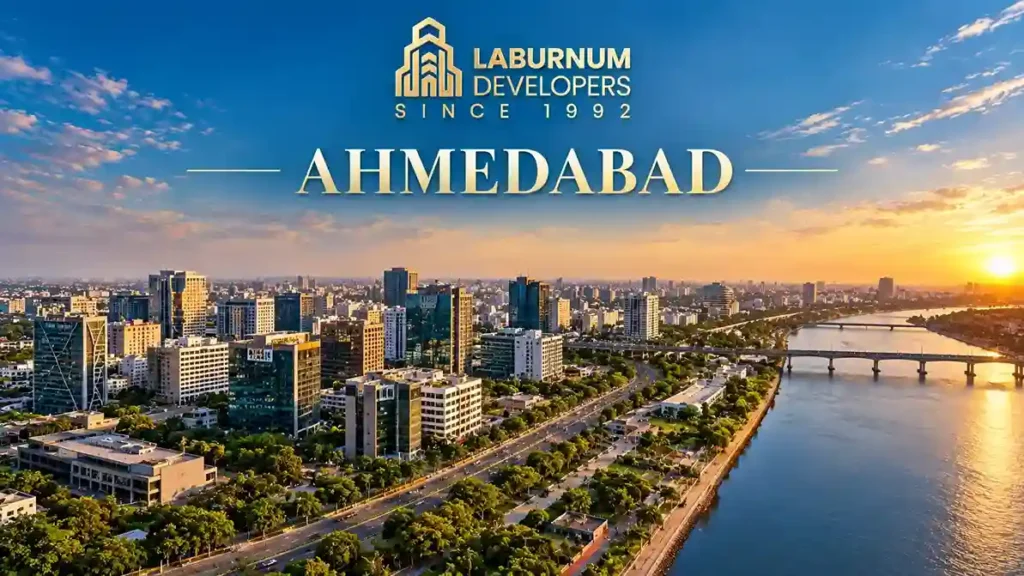
8. Ahmedabad – Business and Industrial Powerhouse
Ahmedabad is an important economic center in Gujarat and is an important Metro City in India.
The city is characterized by a strong business culture as well as a broad economic base.
Industries include textiles, manufacturing, pharmaceuticals, finance, trade, and engineering.
What Makes Ahmedabad a Major Metropolitan City?
Ahmedabad provides:
- Strong industrial base
- Manufacturing
- Textile industry
- Financial services
- Institutions of education
- Healthcare
- Road connectivity
- Connectivity to the airport
- Metro rail
This city is linked to Gandhinagar as well as the greater Gujarat economic region.
The combination of business activities and infrastructure makes Ahmedabad one of the most prominent names on an index of Metro Cities in India.
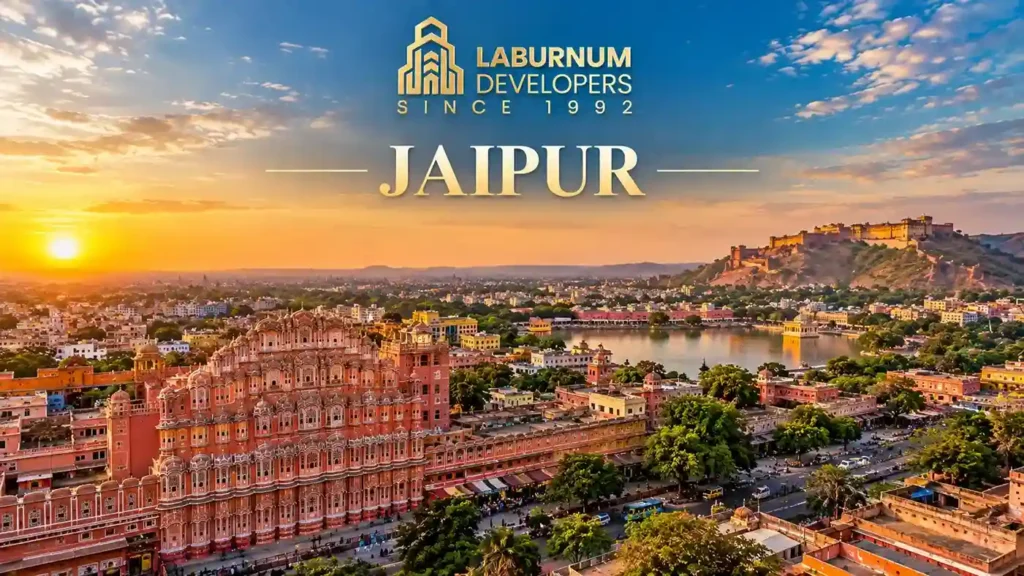
9. Jaipur – Heritage City With a Growing Urban Economy
Jaipur has a distinct look on the list of Metropolitan Cities in India.
The capital city of Rajasthan is internationally acclaimed for its palaces, forts, tourism, and architecture.
However, Jaipur isn’t only an important tourist destination. It is also a cultural phenomenon.
It is also being developed as an education hub, as well as retail, services, hospitality, business, and real estate.
Why Is Jaipur Included Among the Top Metro Cities in India?
Jaipur is a great place to be if you want:
- Tourism
- Hospitality
- Education
- Retail
- Business and IT services
- Road connectivity
- Connectivity to airports
- Residential development continues to grow
Its closeness to Delhi and its location on key transport routes are also contributing to its importance in the economy.
Jaipur illustrates what Metropolitan Cities in India are able to combine the rich heritage of their cities and modern urban development.
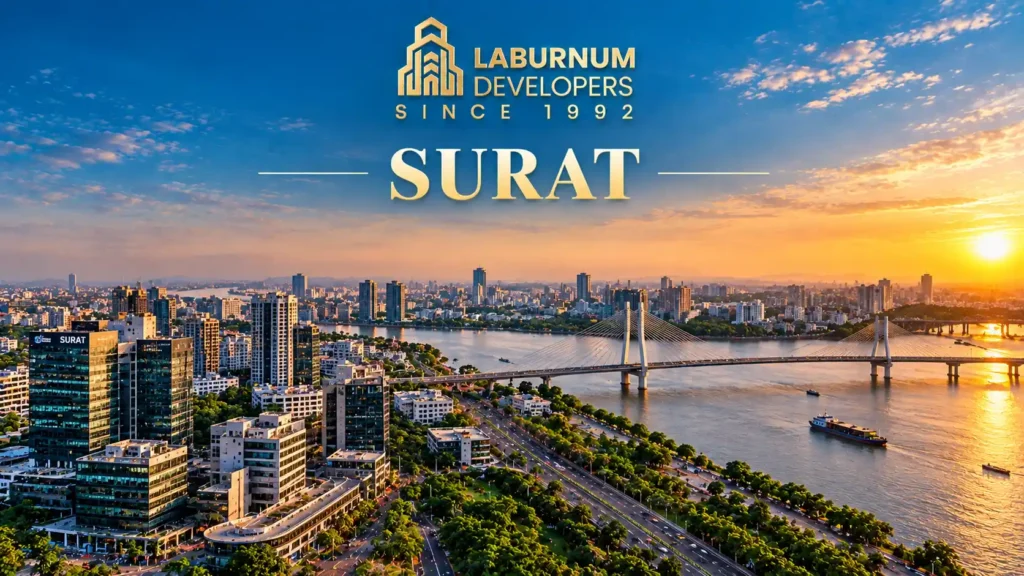
10. Surat – India’s Diamond and Textile Hub
Surat is among Gujarat’s biggest cities.
It is famous worldwide for its diamond processing and trading.
In addition, the city has a robust manufacturing and textile industry as well as a strong manufacturing economy.
Why Is Surat One of India’s Major Metro Cities?
Surat’s economy is fueled by:
- Diamond industry
- Textile manufacturing
- Trade
- Manufacturing
- Infrastructure development
- Connectivity to transport
- The business districts are booming.
- The residential area is expanding.
The city’s rapid economic growth in economics has brought in businesses and workers from across India.
Surat is therefore worthy of inclusion on a current list of the top Metro Cities in India.
How Many Metro Cities Are There in India?
This question doesn’t have only one answer.
It all depends on the definition being applied.
The Constitution’s definition of a metropolitan zone refers to a region that has a population of 10, 000 or greater and includes additional physical and administrative requirements.
The census-based data from 2011, which is often used in urban research, identifies 52 metropolises or metropolitan cities that meet the million-plus threshold in 16 states, as well as Delhi.
So, to say that India has only ten metro cities is untrue.
“Top 10” list “Top 10” list is an attempt to highlight the nation’s most prominent cities.
Complete List of Metropolitan / Million-Plus Cities in India
| No. | Metropolitan City / Urban Agglomeration | State / UT | 2011 Population |
|---|---|---|---|
| 1 | Mumbai | Maharashtra | 18,394,912 |
| 2 | Delhi | Delhi | 16,349,831 |
| 3 | Kolkata | West Bengal | 14,057,991 |
| 4 | Chennai | Tamil Nadu | 8,653,521 |
| 5 | Bengaluru | Karnataka | 8,520,435 |
| 6 | Hyderabad | Telangana | 7,677,018 |
| 7 | Ahmedabad | Gujarat | 6,357,693 |
| 8 | Pune | Maharashtra | 5,057,709 |
| 9 | Surat | Gujarat | 4,591,246 |
| 10 | Jaipur | Rajasthan | 3,046,163 |
| 11 | Kanpur | Uttar Pradesh | 2,920,496 |
| 12 | Lucknow | Uttar Pradesh | 2,902,920 |
| 13 | Nagpur | Maharashtra | 2,497,870 |
| 14 | Ghaziabad | Uttar Pradesh | 2,375,820 |
| 15 | Indore | Madhya Pradesh | 2,170,295 |
| 16 | Coimbatore | Tamil Nadu | 2,136,916 |
| 17 | Kochi | Kerala | 2,119,724 |
| 18 | Patna | Bihar | 2,049,156 |
| 19 | Kozhikode | Kerala | 2,028,399 |
| 20 | Bhopal | Madhya Pradesh | 1,886,100 |
| 21 | Thrissur | Kerala | 1,854,783 |
| 22 | Vadodara | Gujarat | 1,822,221 |
| 23 | Agra | Uttar Pradesh | 1,760,285 |
| 24 | Visakhapatnam | Andhra Pradesh | 1,728,128 |
| 25 | Malappuram | Kerala | 1,699,060 |
| 26 | Thiruvananthapuram | Kerala | 1,679,754 |
| 27 | Ludhiana | Punjab | 1,618,879 |
| 28 | Nashik | Maharashtra | 1,561,809 |
| 29 | Madurai | Tamil Nadu | 1,465,625 |
| 30 | Varanasi | Uttar Pradesh | 1,432,280 |
| 31 | Meerut | Uttar Pradesh | 1,420,902 |
| 32 | Rajkot | Gujarat | 1,390,640 |
| 33 | Jamshedpur | Jharkhand | 1,339,438 |
| 34 | Jabalpur | Madhya Pradesh | 1,268,848 |
| 35 | Srinagar | Jammu & Kashmir | 1,264,202 |
| 36 | Asansol | West Bengal | 1,243,414 |
| 37 | Vasai-Virar | Maharashtra | 1,222,390 |
| 38 | Prayagraj (Allahabad) | Uttar Pradesh | 1,212,395 |
| 39 | Dhanbad | Jharkhand | 1,196,214 |
| 40 | Aurangabad* | Maharashtra | 1,193,167 |
| 41 | Amritsar | Punjab | 1,183,549 |
| 42 | Jodhpur | Rajasthan | 1,138,300 |
| 43 | Ranchi | Jharkhand | 1,126,720 |
| 44 | Raipur | Chhattisgarh | 1,123,558 |
| 45 | Kollam | Kerala | 1,110,668 |
| 46 | Gwalior | Madhya Pradesh | 1,102,884 |
| 47 | Durg-Bhilai | Chhattisgarh | 1,064,222 |
| 48 | Tiruchirappalli | Tamil Nadu | 1,022,518 |
| 49 | Kota | Rajasthan | 1,001,694 |
| 50 | Chandigarh | Chandigarh | 1,025,682 |
| 51 | — | — | — |
| 52 | — | — | — |
According to Census 2011 million-plus urban agglomeration data, India had 52 urban agglomerations with populations of one million or more in the final count. These include major cities such as Mumbai, Delhi, Kolkata, Chennai, Bengaluru, Hyderabad, Ahmedabad and Pune, along with several other rapidly growing urban centres.
What Is the Difference Between a Metro City and a Metropolitan Area?
The term “metro city” refers to a major urban centre. Metropolis is usually a reference to an urban center of major importance.
A metropolitan region could be much bigger.
It could include the city’s central area, as well as towns, municipalities, and areas that are developed.
For instance, Delhi’s larger metropolitan economy reaches out to neighbouring areas in Haryana as well as Uttar Pradesh.
Similar principles apply to other important urban areas.
The reason for this is that the figures on population are wildly different depending on whether the source is measuring the city, the municipality, the urban agglomeration, or the broader metropolitan area.
When looking at comparisons between Metropolitan Cities in India, readers should determine the geographic boundary that the source uses.
Why Are Metro Cities in India Important?
The significance of Metro Cities in India is far more than their populations.
These cities are the engines of economic growth.
1. Employment
Major cities create large employment markets.
Manufacturing, finance, technology education, healthcare retail, and professional services are all thriving in these urban centers.
2. Business
Many large companies have offices in cities.
This helps create ecosystems that support suppliers as well as advisors, experts, and entrepreneurs.
3. Infrastructure
The metro cities typically receive substantial infrastructure investments.
Railroads, airports, roads, metro systems, and business districts are all part of the expansion of urban areas.
4. Education
A large portion of India’s top colleges, universities, and other professional schools are situated in the major cities.
This draws students from various states.
5. Healthcare
The metropolitan areas generally have more choices of hospitals, specialist doctors, and diagnostic facilities.
6. Real Estate
Migration and employment growth create the need for housing.
This makes commercial and residential real estate a crucial component of metropolitan economies.
7. Lifestyle
Major cities are home to shops, restaurants, and entertainment venues, as well as cultural events and leisure facilities.
This allows for a greater variety of lifestyle options.
Which Metro City in India Is Best for Jobs?
There is no one best city for any professional.
The best Metro City in India depends on the sector.
| Industry | Strong Metro Cities |
|---|---|
| IT & Technology | Bengaluru, Hyderabad, Pune, Chennai |
| Finance | Mumbai, Delhi |
| Government | Delhi |
| Automobiles | Chennai, Pune |
| Pharmaceuticals | Hyderabad, Ahmedabad |
| Manufacturing | Ahmedabad, Chennai, Pune, Surat |
| Media & Entertainment | Mumbai, Delhi |
| Education | Bengaluru, Delhi, Pune, Chennai |
| Tourism | Jaipur, Mumbai, Delhi |
For tech professionals, Bengaluru and Hyderabad are especially important.
In terms of finance, Mumbai remains a major option.
In the field of policy and government, Delhi has a unique advantage.
Which Metro City in India Is Best for Living?
The answer is contingent on your finances, family requirements, climate, and lifestyle choices.
Mumbai provides a wide range of opportunities for career advancement; however, it is expensive in terms of living.
Bengaluru is a magnet for tech professionals; however, it is plagued by traffic problems.
Hyderabad has a rapidly growing business infrastructure and a growing ecosystem.
Pune is a place that combines education, technology, and a lifestyle that is quite different from Mumbai.
Delhi offers excellent connectivity and access to an extensive job market.
So, there isn’t a universally accepted answer for which Metro City in India is the most suitable for your needs.
An alternative is to evaluate cities according to your own personal preferences.
What Makes a City a Successful Metropolitan City?
A successful city requires more than just a large number of people.
It is essential to have solid systems.
Some of the most crucial elements are:
- Employment opportunities
- Transport that is reliable
- High-quality infrastructure
- Healthcare
- Education
- Housing
- Business activities
- Digital connectivity
- Public services
- Regional connectivity
- Sustainable urban planning
The most powerful Metro Cities in India continue to develop because their economies draw investors, businesses, and people.
Are Metro Cities in India Good for Real Estate Investment?
The major metropolitan markets offer excellent long-term growth opportunities, but real estate shouldn’t be viewed solely because a city’s an urban area.
The location is crucial.
Investors should think about:
- Employment growth
- Infrastructure projects
- Connectivity
- Population growth
- Rental demand
- New business districts for businesses
- Housing supply
- Local laws
- Developer reputation
- Future development plans
For instance, a new corridor of transportation can alter the look of the surrounding area.
This is also true for new airports, business districts, highways, employment hubs, and other transportation hubs.
Thus, the best investment opportunity in Metro Cities in India could not be located in the city’s traditional center.
What Are the Major Challenges Faced by Metro Cities in India?
Rapid urbanisation can also pose challenges.
The most populated Metro Cities in India face issues like:
Traffic Congestion
Longer commutes and longer distances can make travel take more time.
Housing Costs
The demand for employment could push home prices and rents higher.
Pollution
The large population and the high level of use of vehicles can result in air quality issues.
Water and Waste Management
Rapid growth puts pressure on urban services that are essential to the city.
Urban Sprawl
Cities continue to expand into surrounding regions.
This may make it more difficult to build infrastructure and transport.
Pressure on Public Transport
The growing population requires an efficient and affordable public transport system.
This means that the future development of metropolitan areas requires more efficient planning.
How Are Metro Cities in India Changing in 2026?
The urban landscape of India is changing rapidly.
The rapid growth of digital companies, tech companies, infrastructure projects, and the creation of new transportation corridors is changing urban regions.
The idea of a city’s centre is also evolving.
New business districts have begun to emerge from traditional cores.
Communities of residence are being built along transit corridors and highways.
Satellite cities have become more important.
This implies that the next phase for Metro Cities in India will be more regional, rather than confined to the municipal boundaries.
This Delhi NCR model is a powerful illustration of this interconnected urbanization.
What Should You Check Before Moving to a Metro City?
Making the move towards one of India’s Metro Cities in India is a significant choice.
Before moving, consider:
- Opportunities for employment
- Salary levels
- Prices for property or rent
- Daily commute
- Public transport
- School options
- Healthcare facilities
- Climate
- Safety
- Lifestyle preferences
- Long-term career growth
- Future infrastructure
A higher salary doesn’t necessarily mean a better living.
Your monthly expenses and your commute time also matter.
FAQs About Metro Cities in India
What are the top 10 Metro Cities in India?

The most widely recognized top ten Metro Cities in India in this list include Mumbai, Delhi, Bengaluru, Hyderabad, Chennai, Kolkata, Pune, Ahmedabad, Jaipur, and Surat. This is a ranking of information that is based on the importance of metropolitan areas, economic activity, connectivity, and the influence of urbanization, and is not an official ranking by the government.
How many cities with metropolitan areas exist in India?
There isn’t a single, present “Top 10” government classification. Based on the 2011 Census-related million+ metropolitan statistics, India had 52 metropolises in 16 states, including Delhi. The constitution’s definition of metropolitan areas includes a threshold for a population of 10 lakhs, in addition to other criteria.
Which is the largest Metro City in India?

The answer is contingent on the geographic boundary that is that is used. Mumbai as well as Delhi is among the most populous metropolitan regions. There are a variety of population estimates, as sources can refer to a municipal corporation, an urban agglomeration, or even a larger metropolitan area.
Which is the top Metro City in India for IT-related job opportunities?

Bengaluru is widely regarded as the country’s most technologically advanced hub. Hyderabad, Pune, and Chennai are among the top tech and IT centers.
Is Delhi a Metro City in India?

Yes. Delhi is among the major metropolitan centres in India. Its influence is felt across the entire National Capital Region, which includes large urban areas that are not within Delhi’s administrative boundaries.
Which Metro City in India has the most efficient infrastructure?
There isn’t one winner as infrastructure differs by category. Delhi is a metropolis with a large network. Mumbai is a major rail hub with metro connectivity. Bengaluru is a significant technological ecosystem, and Hyderabad as well as Pune have experienced substantial infrastructure growth.
What is the distinction between a metropolis and a Tier-2 city?
A metropolis typically has a larger employment and economic ecosystem as well as a greater population density and a more extensive infrastructure. Tier-2 cities also grow quickly, but typically have smaller economies in the urban areas and job markets.
Which metro city in India is most suitable for families?
There isn’t a universal solution. Delhi, Pune, Hyderabad, Bengaluru, Chennai, and Ahmedabad will all be suitable for families based on the cost of living, education, healthcare, commute, and lifestyle choices. The most effective choice is determined by individual preferences, not just city rankings.
Final Thoughts on Metro Cities in India
This is the story behind Metro Cities in India, which is, in fact, the tale of India’s urban transformation.
Mumbai is the symbol of entertainment and finance.
Delhi is the symbol of administration and economic power in the region.
Bengaluru is a symbol of innovation and technology.
Hyderabad is a symbol of IT as well as pharmaceuticals.
Chennai is a symbol of manufacturing and automotive industries.
Kolkata symbolizes culture as well as Eastern India’s importance in commerce.
Pune stands for manufacturing, education, and IT.
Ahmedabad is a symbol of industry and business.
Jaipur is a symbol of the past and modern amenities.
Surat is a symbol of manufacturing, textiles, and diamonds.
In combination, the cities show the diversity of India’s urban economy.
But the list of Metro Cities in India is far more extensive than the 10 listed here.
India has millions of urban centers, and emerging economic corridors are transforming the significance of various cities.
If you are looking for a place to live or work, study, or even invest money, the best method isn’t to inquire about which city is the top choice.
Instead, inquire about the Metro City in India that best suits your objectives in terms of budget, career, and lifestyle.
This is the most practical method of understanding India’s metropolitan future.
Key Takeaways
- Metro Cities in India are significant cities and towns.
- There isn’t any single government official rating for”the Top 10 Metro Cities in India.”
- Mumbai, Delhi, Bengaluru, Hyderabad, and Chennai are among the nation’s most renowned cities.
- Kolkata, Pune, Ahmedabad, Jaipur, and Surat are major metropolitan cities.
- The definition in India’s constitution of metropolitan areas has a threshold of 10 lakh people in addition to other criteria.
- The census-related data from 2011 revealed more than 52 million metropolitan cities or metropolises.
- Infrastructure, jobs, education, health, and business are the main reasons why for people to move to cities.
- The future growth of metropolitan areas will more often include satellite cities that surround them and regional corridors.



Gurgaon Vs Mumbai: Best Real Estate Investment In 2026
September 17, 2026 - 10:24 am[…] younger growth market for both corporate and residential development. Mumbai is a well-developed Metropolitan city having much higher land […]
Golf Course Road Gurgaon: Luxury Property Guide 2026
September 23, 2026 - 11:07 am[…] minutes to Rapid Metro Sector […]